On My Knees for You Again
Runner's kneeis a frustrating injury and one of the most common sources of articulatio genus pain after running. Just how do yous know if yous take runner's knee in the first place?
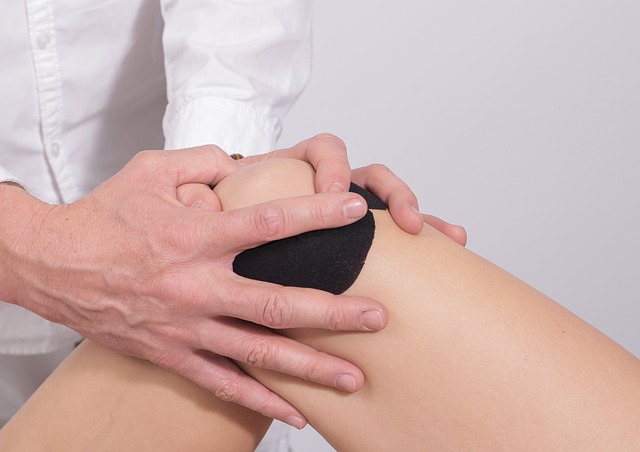
Also known by its more than formal name patellofemoral pain syndrome (PFPS), runner's knee is a 18-carat source of feet for both runners and physical therapists considering at that place'southward no consensus on what causes PFPS or how to treat it.
So if y'all do accept runner'southward knee, the treatment options are muddled and not definitive. Frustrating, isn't information technology?
Thankfully, there are still some very good options. Information technology's always best to focus on prevention first. Yous'd rather devote a modest amount of fourth dimension to staying healthy than a big amount of time to getting healthy, right?
Patellofemoral Pain Syndrome responds well to conservative treatment and the hurting is typically a dull ache, rather than a sharp stabbing feeling.
Your ongoing health and prevention of future cases of PFPS will also depend more on your training than specific preventive exercises. Indeed, how yous train is the near critical factor to staying healthy!
The nature of PFPS is that you may experience mild symptoms of the injury for a long fourth dimension. While your grooming may not be significantly limited by the injury, it's often punctuated by the constant annoying ache of runner's knee.
Permit's discuss how this injury happens and how to know if you have runner'due south knee.
What is Runner's Knee?

Patellofemoral Pain Syndrome is a knee injury common among runners, cyclists, hikers, and those who engage in "jumping sports" like basketball, volleyball, or the jump events in Rail & Field.
PFPS is a mysterious injury in that in that location's no consensus on why information technology creates knee joint hurting later running. Just there are plenty of theories:
- Some claim it's because the kneecap (patella) does not track well in its groove in the femur
- Others claim that it's because the quadriceps is weak and does a poor job of decision-making the kneecap during activity
- And some others keep to claim that PFPS occurs because the cartilage of the knee has degenerated. While some research has concluded that there tin be some cartilage degeneration accompanying runner's genu, information technology'southward not necessarily the cause.
Many theories abound yet there is no conclusive respond as to what specifically causes PFPS. The best answer is likely a combination of factors, including weakness in the quadriceps and hips (especially the hips), overuse, and inflexibility. Your private running form may also predispose you to developing this injury.
If we continue diving into the cause of PFPS, it'south helpful to empathize that your knee is a living joint and it's stressed virtually all the time (even when y'all're sitting!). It's very likely that your PFPS isn't a significant, traumatic injury but rather your knee "telling yous" that it'due south tired, potentially inflamed, and overused.
This irritation of the knee is because the joint is experiencing constant abuse – potentially made worse past slight biomechanical inefficiencies.
This perspective on runner's knee helps explain why most cases respond very well to rest and conservative treatments.
How exercise I know if I have Runner's Knee?
Runner'due south genu is characterized by knee pain afterward running (or during) in a very specific location. Like lateral human knee hurting (on the outside of your knee) being correlated with IT Ring Syndrome, at that place'south a detail location for knee pain that makes information technology highly probable you have runner's genu.
If your pain is directly on or forth the outside edges of the kneecap, yous most likely have PFPS. The pain is typically a dull anguish but can occasionally be precipitous; information technology feels similar it's located deep underneath the patella.
Along with the location of the hurting, PFPS sufferers typically have more pain when they're…
- walking up stairs
- running uphill
- squatting
- subsequently prolonged periods of sitting downward
- while pushing on the kneecap
It's important to note that PFPS is dissimilar from patellar tendonitis, which is an entirely separate injury characterized by pain in the patellar tendon. This is the thick tendon that connects your patella to your shin. This is a more rare injury, particularly amid runners.
Runner's Human knee Myth: "Information technology'southward Because of my Q-Angle! Or…"
Many therapists volition blame the "usual suspects" for a case of PFPS:
- Leg length discrepancy
- Q-bending
- Severe pronation
But these issues are unlikely why y'all have runner'southward knee. Let's keep this simple: there is no research that supports these claims.
PFPS is a more mysterious injury than some others, so I can't criticize clinicians who may blame the "usual suspects." But the truth is this: no studies have confirmed these issues as contributing to runner's knee.
These biomechanical bug could certainly contribute to runner's genu, simply nobody knows for certain and it'southward irresponsible to make those claims as definitive.
Runner's Knee Myth: "My Kneecap Doesn't Track Properly"
This is the nigh commonly cited cause of runner's knee. The idea is that the patella "tracks" within the groove in your femur. Only when information technology doesn't slide evenly in this rail, you lot tin can end up with PFPS.
This tracking problem is why most treatments focus on…
- strengthening the quadriceps
- stretching the Information technology Ring (only you should know that information technology'southward incommunicable to stretch this thick piece of connective tissue)
- using knee braces
- taping the knee
But unfortunately, there's no clear relationship between a tracking trouble and your PFPS (it could be a contributing gene, but not the direct crusade of the injury).
The patella is more dynamic than we give information technology credit for: it tin can move all over the place. If you lie downwards then your leg is straight and yous're non belongings any tension in your knee joint, yous'll notice the patella seems to hover over the knee joint joint. Manipulating it in all directions is quite easy.
Like many things in biological science, at that place'due south no clear definition of what "normal" tracking is for the patella. Several studies have shown that tilting or displaced kneecaps during activeness shouldn't be construed as "abnormal." Indeed, aberrant may be normal!
Good for you knees practice all kinds of weird things and information technology'south nearly impossible to tell an injured knee from a healthy knee by looking at the position of the patella.
So if your treatment focuses on correcting the alignment or office of your patella, y'all should find better treatment.
Is Patellofemoral Pain Syndrome Caused by Degenerated Cartilage?
Unlikely! The cartilage underneath the patella and on the femur doesn't have whatever fretfulness so information technology'south non what is causing you lot pain. It's relatively inert.
What really hurts is probably the synovial lining, a fancy word for the soft tissue and fluid that surrounds your knee joint. It acts as lubrication betwixt the moving parts of your genu. It's capable of irritation which is why it's the specific role of your anatomy that hurts.
Should I Go a Bone Browse or MRI?
In all my research, personal experience, interviews, and coaching feel, I've never institute mention of MRI or CT Scans beingness helpful in diagnosing Patellofemoral Hurting Syndrome.
However, bone scans have shown to be worthwhile for chronic sufferers who want a more than definitive diagnosis. If the patella is truly "distressed" or "tired" like we discussed in the previous department, it will show upward on a os scan. A os scan works when yous're given an injection with a tiny amount of radioactive cloth. It shows up on the browse and spreads wherever your blood goes (this indicates metabolic activeness, like inflammation or a bone fracture).
Bone scans are expensive and I'd ask your doctor if it'southward appropriate if you lot take chronic PFPS. My research has concluded that this blazon of scan can confirm a PFPS diagnosis and help isolate the overused tissue.
Can I Train Through Runner's Knee?
Even though I said before that running on PFPS is a bad idea, it likely won't make the pain worse (though it certainly won't arrive ameliorate).
You won't destroy your kneecap by running through the tedious anguish that accompanies PFPS. You lot probably won't vesture away the cartilage underneath your patella. Yous'll be forced to end by more astringent pain earlier y'all do anything truly subversive.
Merely there are risks. You'll prolong your recovery and you could set yourself upwards for more astringent problems in the future. Advisedly weigh these risks with your beloved of running.
Could I but have arthritis?
Sure, especially if you're an older runner over the age of 55. Typical arthritis is due to wearable and tear and yous may be at a higher take a chance of developing arthritis if you've experienced a traumatic injury to the knee in the past.
Visit your doctor and go an 10-ray to confirm the diagnosis. But don't worry, just because y'all have some arthritis doesn't necessarily hateful you're experiencing any pain. Degeneration of cartilage in the human knee doesn't e'er cause hurting while running.
Defer to your physician's prescribed treatment of arthritis, as information technology will be unlike from PFPS.
How to Heal Runner's Human knee
Getting healthy from PFPS is quite possible. In fact, information technology's often non as difficult every bit many remember.
Simply that doesn't hateful information technology volition exist easy. Because runner'southward knee is not as fully understood every bit other injuries, the handling is less conclusive and more than oriented toward remainder and grooming modifications.
If yous're patient and willing to try new things, you might be able to get-go running in just a week or two without any hurting.
Check out ourInjury Prevention for Runnersprogramme, which includes a full handling protocol for runner's knee:
- A daily treatment approach so you know exactly what to do to get healthy on a daily basis
- Video demonstrations of effective exercises to treat PFPS
- Tips & tricks on how to heal faster and go back to running
- Training communication on when to cease running, how (and when) to focus on pain direction, and more
The program also includes training plans tailored for prevention, an expert interview series, five more than injury treatment protocols, a collection of runner-specific cadre and force routines, and more than.
See all the details here and I hope that you recover from your runner'southward knee injury as soon as possible!

Related
Source: https://strengthrunning.com/2021/05/runners-knee-pain-after-running/

Post a Comment for "On My Knees for You Again"